
Hot Rooms vs. Cold Rooms
If you have a room that is too hot in Summer and too cold in Winter there are many different underlying problems for why this is happening. Always call an heating and air conditioning expert to find out exactly what

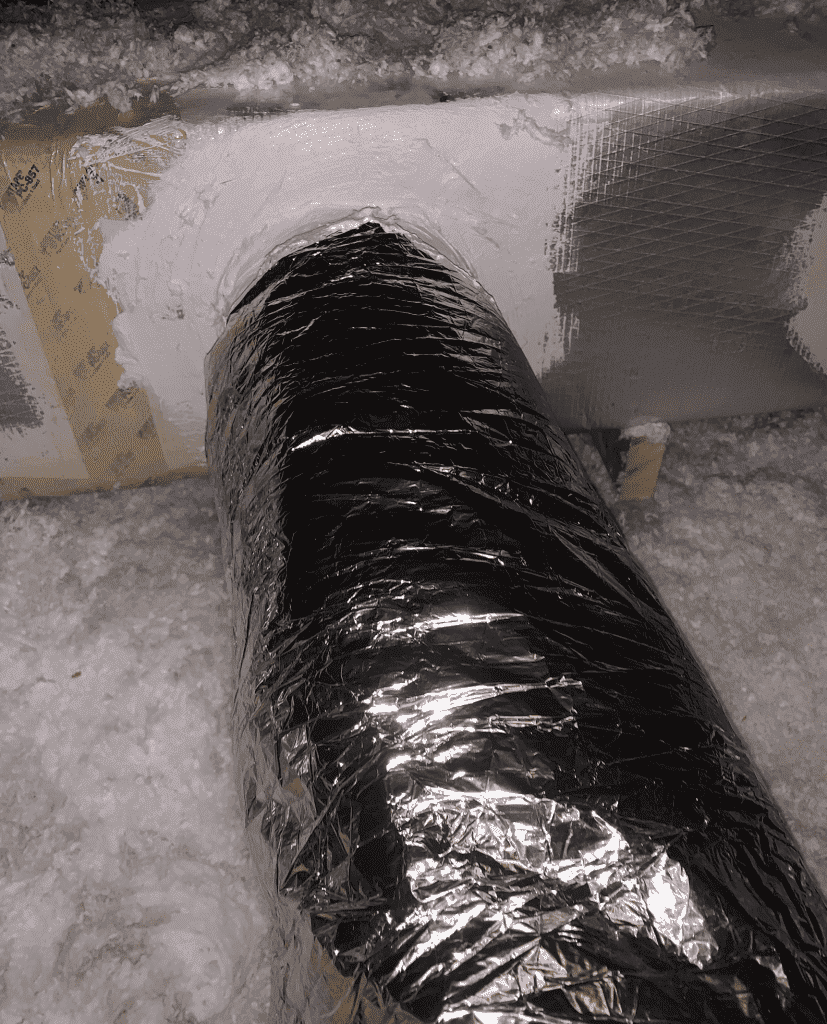
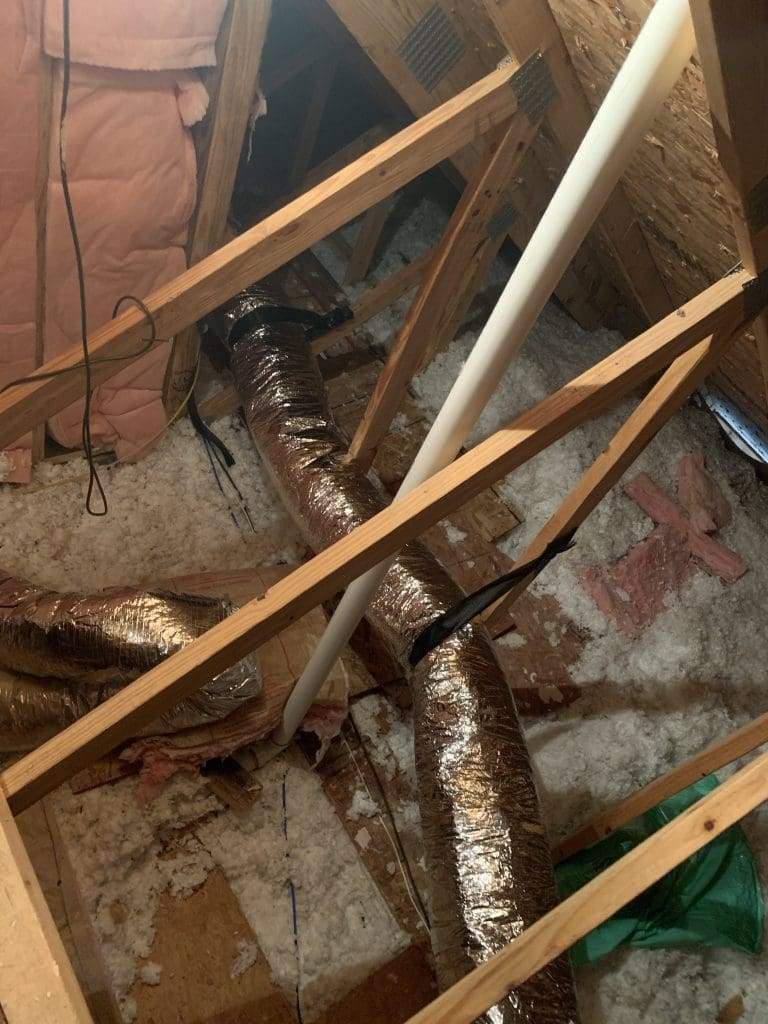
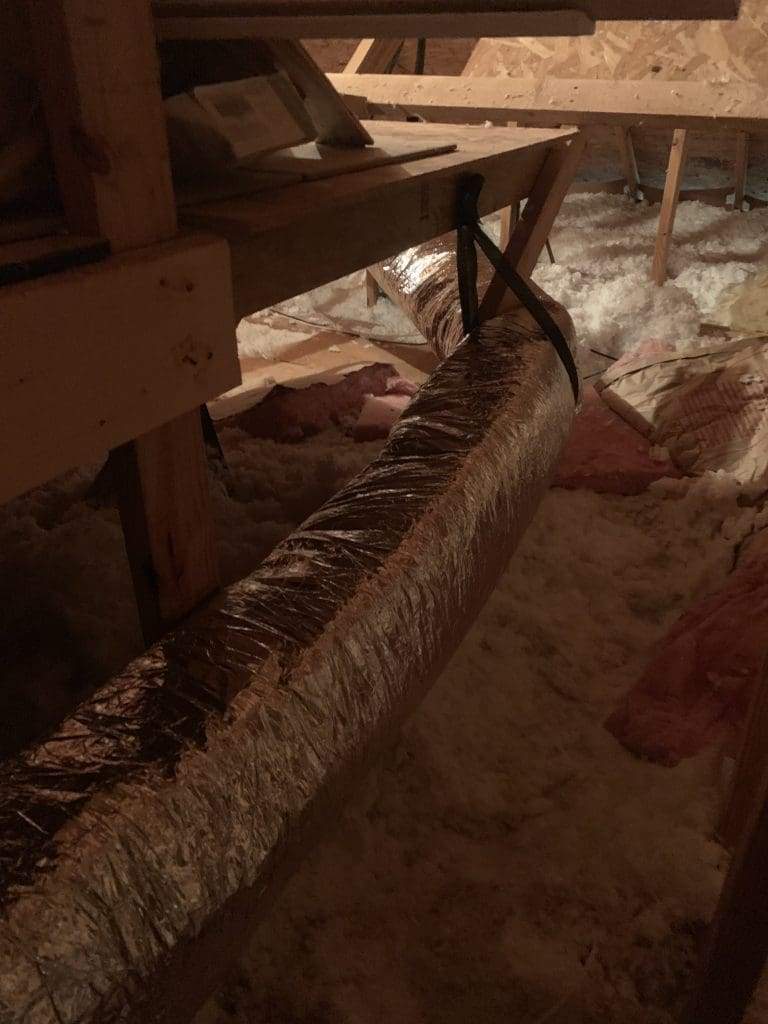
If you have a room that is too hot in Summer and too cold in Winter there are many different underlying problems for why this is happening. Always call an heating and air conditioning expert to find out exactly what the specific problem is for your house. In this case a homeowner had one room that was too hot in the summer. They had replaced the vent cover thinking that would solve the issue and when it didn’t thought maybe it was being restricted and paid someone to straighten it out. None of these things were the issue. The actual problem was that the size of the duct was not large enough to carry the proper air flow for the room in question. Another problem was that it was being overtaken by two other ducts that were larger and stealing more air away from the duct supplying the room. Many think that each duct needs to be as close as possible to it’s destination. In other words from where it connects to the trunk line to it’s final destination in a room it should be as short as possible. And while this is a good practice it isn’t always feasible and when placed with other ducts on the same trunk line may not be the best idea. In this case I moved the duct for the room in question further away to a clear spot on the trunk line where it wouldn’t be fighting any other ducts for air. Installed a scoop and up the size to the correct size duct needed to supply air into the room. End Result we doubled our airflow into the room and now it is the same temperature as the other rooms in the house.